
How to Choose a Juice Filling Machine for Your Business?
Choosing the right juice filling machine is essential for improving production efficiency, maintaining filling accuracy, and reducing packaging costs.
Whether you run a small juice startup or a large beverage processing plant, the best machine depends on your juice type, production capacity, bottle material, automation requirements, and budget. This guide explains the key factors to consider when selecting a juice filling machine for your business.
Identify Your Juice Type
The first step is to determine what kind of juice you plan to produce. Different juice products have different viscosity, pulp content, and temperature requirements, which can affect the choice of filling equipment.
- Clear juice: Apple juice and filtered grape juice can often be handled by gravity or other suitable liquid filling systems.
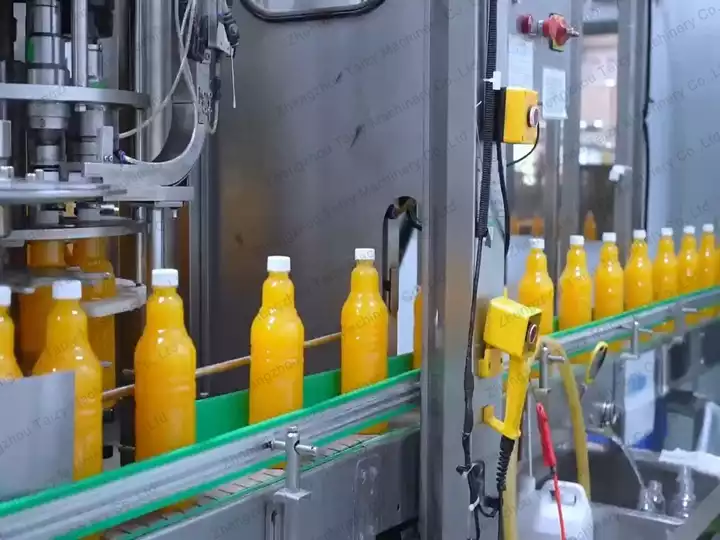
- Juice with pulp: Mango juice and orange juice with pulp may require larger product passages and specially designed filling valves to prevent clogging.
- Thick juice: Concentrated or viscous juice products may require piston filling or another suitable positive-displacement system.
- Hot-filled juice: If your production process uses hot filling, the machine must be compatible with the required filling temperature and packaging process.
Before purchasing a fruit juice filling machine, confirm that it can handle your specific product without compromising filling accuracy or production efficiency.
Choose the Right Production Capacity
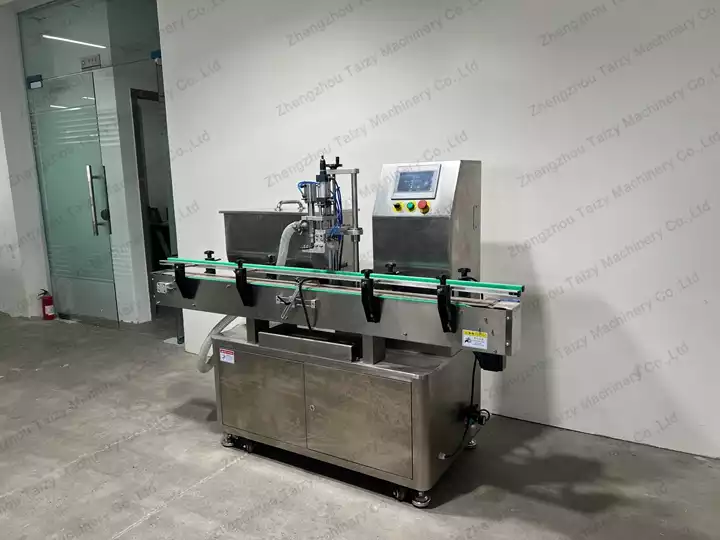
Your required output is another important factor when selecting a juice filling machine. A machine that is too small may limit business growth, while an oversized system can increase initial investment and operating costs.
Consider the following production scales as preliminary planning examples:
| Business Scale | Illustrative Output | Suitable Equipment |
|---|---|---|
| Small startup | 200–500 bottles/hour | Manual or semi-automatic filling machine |
| Growing business | 500–2,000 bottles/hour | Automatic juice filling machine |
| Medium-sized factory | 2,000–5,000 bottles/hour | Automatic multi-head filling system |
| Large beverage plant | Over 5,000 bottles/hour | Integrated high-speed filling line |
These figures are general planning ranges, not fixed industry standards. Actual output depends on bottle size, filling volume, product properties, machine configuration, and operator efficiency.
When calculating your required capacity, estimate daily demand and available production hours. For example, if you need to fill 8,000 bottles in an 8-hour shift, your target average output is 1,000 bottles per hour. Allow additional capacity for cleaning, changeovers, and downtime.
Select a Filling Machine Based on Bottle Type
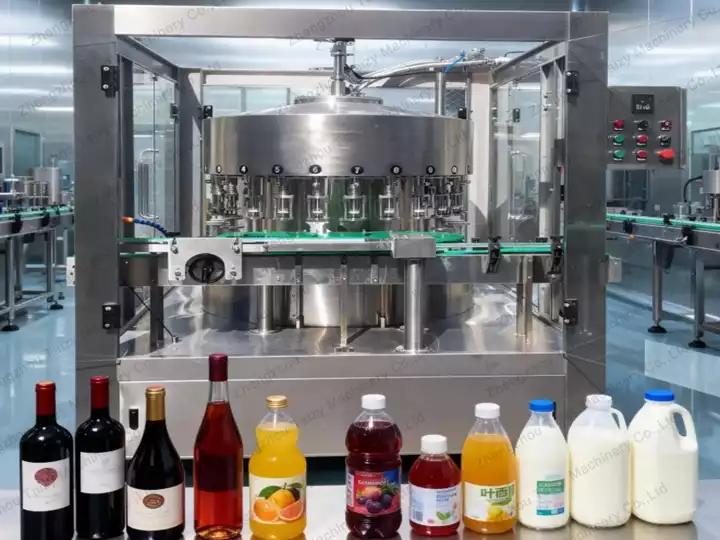
Packaging compatibility directly affects machine selection. Juice may be packaged in PET bottles, glass bottles, cans, cartons, or pouches, and not every machine supports every container type.
Consider these factors before purchasing:
- Bottle material: Confirm compatibility with PET, glass, or other packaging materials.
- Bottle size: Check the supported filling volume and container dimensions.
- Bottle shape: Special-shaped bottles may require customized holders or conveyors.
- Capping requirements: If bottles need screw caps or other closures, consider a compatible capping machine.
- Labeling and packaging: Determine whether you need additional labeling, date coding, and secondary packaging equipment.
If your business uses several bottle sizes, choose a juice bottling machine that allows convenient changeovers. Ask the supplier whether additional filling nozzles, bottle holders, or format parts are required.
Decide Between Manual, Semi-Automatic, and Automatic Machines
The level of automation influences labor requirements, production speed, and investment costs.
Manual Juice Filling Machine
Manual equipment may suit very small businesses, pilot production, or low-volume operations. It generally requires more operator involvement and may offer lower production consistency than automated systems.
Semi-Automatic Juice Filling Machine
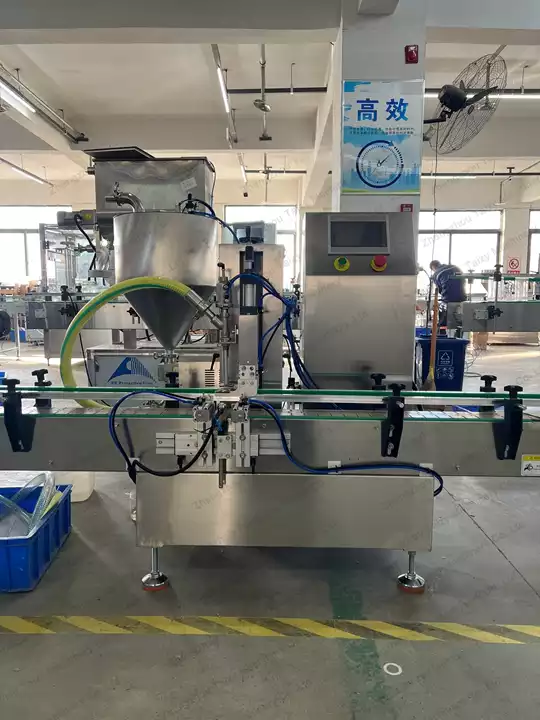
A semi-automatic juice filling machine is suitable for small and growing businesses that want to improve filling efficiency without investing in a complete automated line. Operators may need to position bottles or control certain steps manually.
Automatic Juice Filling Machine
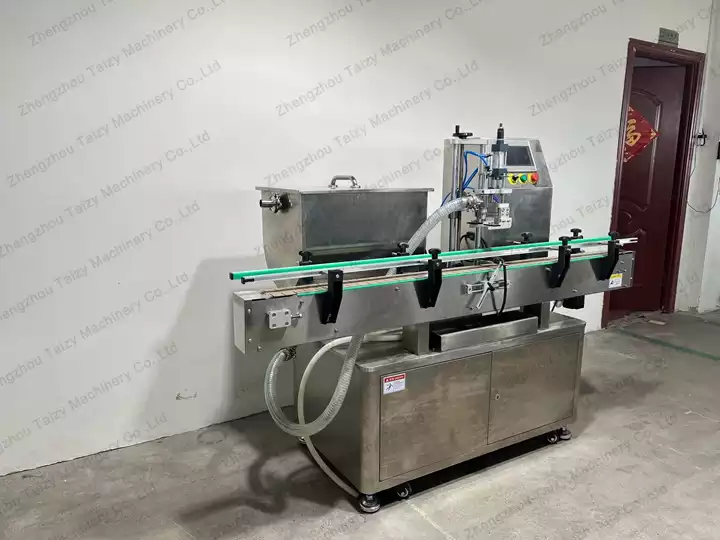
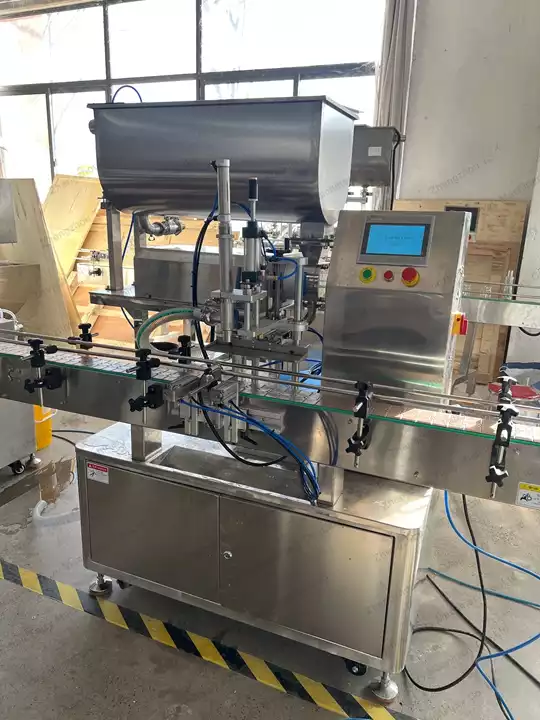
An automatic juice filling machine can reduce manual handling and support more consistent production. Depending on its configuration, it may integrate bottle conveying, filling, and capping.
For businesses planning to increase output, an automatic juice filling line can also incorporate labeling and other packaging processes. However, the best automation level should match your actual production demand rather than simply choosing the most advanced option.
Check Filling Accuracy and Hygiene
Filling accuracy affects product consistency, packaging costs, and compliance with applicable net-content requirements. Even small overfilling differences can create significant product losses when production volumes are high.
When evaluating a juice filling machine, ask about:
- Filling accuracy under your actual operating conditions.
- Adjustable filling volumes for different bottle sizes.
- Contact materials suitable for food processing.
- Cleaning procedures and access to product-contact components.
- Compatibility with your cleaning and sanitation requirements.
- Protection against dripping, foaming, and product contamination.
For juice products that require strict hygiene control, stainless steel product-contact parts and an easy-to-clean design are important considerations. If the process requires aseptic filling, verify that the complete system is specifically designed and validated for the required aseptic conditions.
Consider Your Budget and Total Operating Costs
The purchase price is important, but it should not be the only factor in your decision. A lower-cost machine may require more labor, frequent maintenance, or additional equipment to complete your production process.
Evaluate the total cost of ownership, including:
- Initial machine and installation costs.
- Electricity, compressed air, and other utility consumption.
- Labor requirements.
- Spare parts and routine maintenance.
- Cleaning and product changeover time.
- Shipping, training, and after-sales service.
Compare quotations based on the same specifications, including production capacity, supported bottle sizes, filling accuracy, included accessories, and warranty terms. This approach helps you identify the machine that offers the best long-term value.
Evaluate the Supplier and After-Sales Support
A reliable supplier can help you select suitable equipment and avoid costly configuration mistakes.
Before placing an order, confirm that the manufacturer can provide:
- Detailed machine specifications and production videos.
- Recommendations based on your juice formulation and bottle samples.
- Electrical requirements compatible with your local power supply.
- Installation instructions and operating training.
- Spare parts and technical support.
- A clear warranty policy and delivery schedule.
If possible, provide the supplier with your juice type, target output, bottle dimensions, filling volume, and preferred automation level. This information makes it easier to recommend an appropriate machine configuration.
Before making a purchase, clearly define your production goals and confirm that the machine can handle your specific juice and containers. Comparing detailed specifications and supplier support will help you invest in equipment that meets your current needs and supports future business growth.
Looking for a suitable juice filling machine for your business? Contact our team with your juice type, required production capacity, bottle size, and filling volume to explore a suitable solution.